
Responsible operations
We embrace continuous improvement in our operations to deliver our sustainability goals.

Home / Sustainability
Committed to being part of the solution to create a more sustainable industry, together with our customers.
Sustainability is about power: the power to innovate, lead, and make a difference. At Selig, we embrace this responsibility.
Selig Group is the recipient of the Silver Medal Sustainability Rating from EcoVadis, the world’s leading provider of corporate sustainability ratings. Selig ranks among the top 15% of companies scored for its environment, labor and human rights, ethics, and sustainable procurement practices.
We embrace continuous improvement in our operations to deliver our sustainability goals.

Building on our history of offering sustainable products, we’re pioneering new innovations informed by regulatory and market dynamics.

Our teammates, customers, and communities are essential to the success of our sustainability strategy.
Selig actively pursues a balance between economic growth and responsibility to its employees, customers, the community and the environment.
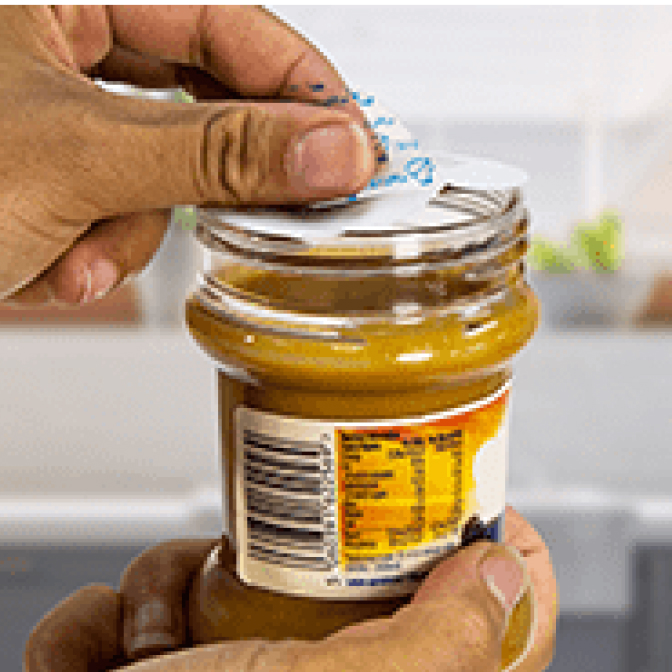
The liner can provide a more robust seal allowing weight to be removed from the bottle and closure. In addition, tamper bands may not be needed if a tamper evident liner is selected.
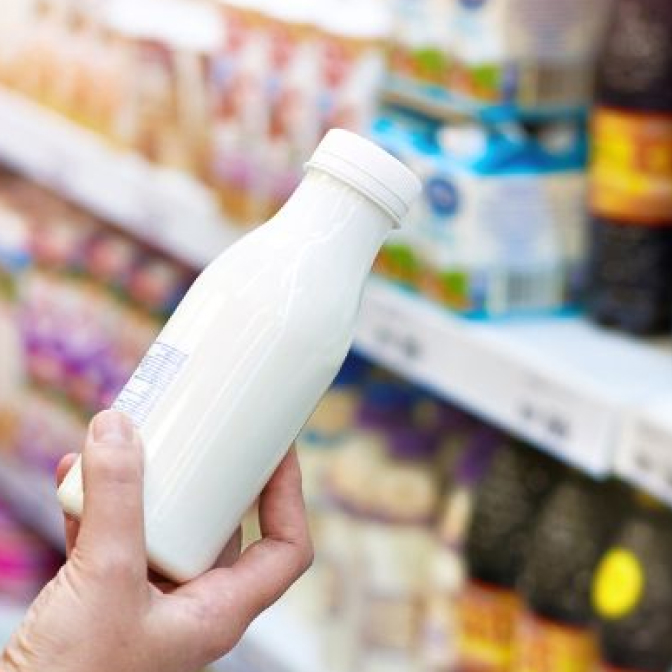
In O2-sensitive products, the aluminum foil layer acts as both a gas and moisture barrier, reducing the amount of food wasted due to lack of perceived freshness.
Most recycling systems accept single-material products like foam or pulp, although the ability to capture small items like liners varies greatly between systems.
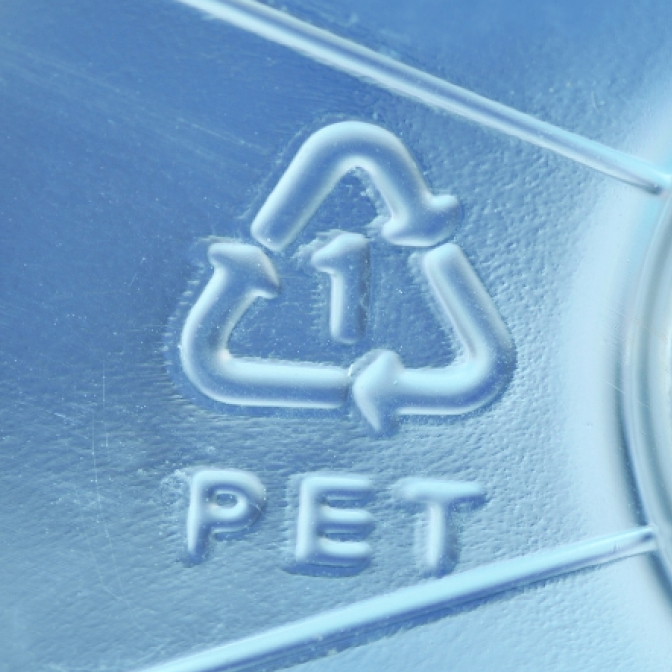
Aluminum, plastic, and pulp are all recycled today, but supply as PCR material for thin gauge processing and use in food applications is extremely limited. As demand for PCR in flexible packaging grows, we believe more supply will become available, allowing us to expand our PCR offerings.
The complexity of multi-material laminates, such as induction liners, pouches for foods, and other barrier structures currently presents a challenge far greater than mono-material rigid packaging. Chemical recycling is being developed to capture value from these engineered laminates.